Commercial Ice Machines for Sale in Kentucky
If you're sourcing commercial ice machines in Kentucky, you’re likely balancing production demand, equipment cost, and long-term reliability. Freezer Supply works with operations across Louisville, Lexington, and Bowling Greenthat require consistent daily output without operational interruptions.
From compact undercounter systems for restaurants to high-volume industrial ice machines used in processing facilities, equipment selection in Kentuckyis driven by throughput, climate, water quality, and service intensity — not just sticker price.
Compare Ice Machine Pricing in Kentucky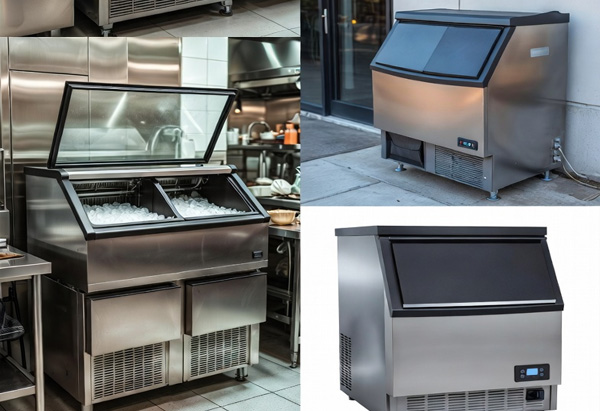
Ice Production Strategy for Kentucky Businesses
Commercial ice demand varies significantly across Kentucky. High-volume hospitality in Louisvillemay require cube or nugget systems optimized for beverage service, while food distribution and cold-chain operators near Lexingtonoften deploy flake or modular systems designed for sustained bulk output.
Before purchasing equipment, many buyers review our commercial ice machines for sale to compare daily production ranges, bin configurations, and condenser types suited to their facility footprint.
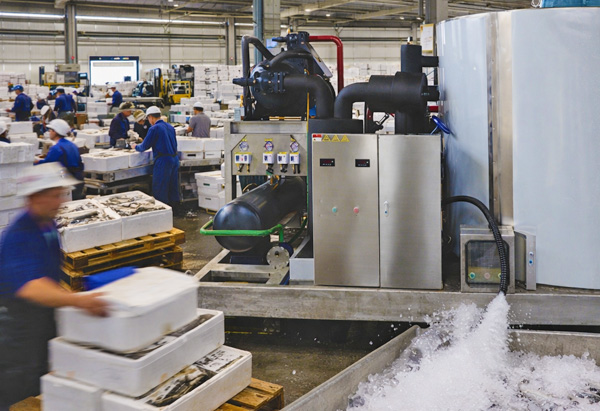
Scaling Ice Systems as Operations Expand
Operations expanding within Kentuckyfrequently evaluate scalability before committing to equipment. Rather than replacing systems outright, many facilities integrate modular add-ons or secondary production units to maintain uptime.
Industrial buyers particularly in Bowling Greenoften prioritize redundancy, continuous-duty compressors, and service accessibility to prevent production bottlenecks.