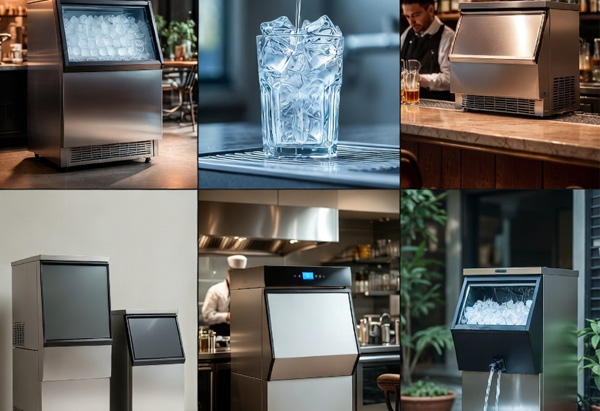
Kansas City commercial ice machine buyers need an equipment plan that covers the busiest service period and remains maintainable after installation. Restaurants, hotels, healthcare facilities, stadium-area venues and food operations use different ice forms and tolerate downtime differently. The comparison should begin with peak pounds, storage drawdown, recovery hours, utilities and the person responsible when production stops.
Turn Kansas City activity into a capacity range
Separate beverage, bar, kitchen, event, guest and patient demand. Observe the deepest draw from each bin instead of relying on a monthly purchase estimate. A machine can meet a daily total and still run short during a concentrated rush. The ice capacity answer helps pair production with storage. For venues with event-driven surges, document the recovery period between functions and compare staged machines with temporary bagged-ice storage.
Match equipment to ice handling
Standard cubes support glass service and cocktails; chewable nugget pieces suit approved dispensers; soft flake settles around displayed foods and processed products. Review commercial ice machine applications before choosing undercounter, modular or dispenser equipment. Higher-volume operations can compare industrial ice systems when storage, conveyance or redundancy becomes part of the design. Include carts, scoops and transport paths in the plan; moving open ice across a large property creates labor and sanitation concerns that the machine price does not reveal.
Use local water information and survey the room
KC Water publishes water-quality information and annual reporting. The supplier should use current public context plus property conditions and warranty requirements to select filtration. Price replacement cartridges and labor. Confirm electrical service, potable-water shutoff, drainage, ventilation, delivery clearances and access to every panel. Air-cooled, remote and water-cooled condenser choices affect room heat, exterior work and utility cost; require a written reason for the proposed method.
Compare complete Kansas City ice machine quotes
Ask each bidder for exact models, rating temperatures, expected site output, ice style, bin or dispenser, condenser, filtration, delivery, installation, startup, warranty and service options. Identify who performs warranty labor in the Kansas City market and how emergency requests are prioritized. The quote checklist helps normalize exclusions. Send the finalized requirement through the Kansas City commercial ice machine pricing request. Keep commissioning readings, serial numbers, filter specifications, cleaning assignments and contact information together. That operating record gives future managers a better starting point than a model number alone.
Commission the Kansas City system under useful conditions
Delivery is not the same as verified performance. The installer should check level, water pressure, drain flow, freeze and harvest cycles, bin controls and compatibility with any dispenser. Record ambient and incoming-water temperatures beside the first recovery measurement. Ask staff to identify shutoffs, filter locations, safe scoop storage and the service contact. If the machine replaces an older unit, note whether demand, glassware or operating hours changed; otherwise a future comparison may blame the equipment for a different workload. A signed startup record also gives the warranty provider useful evidence if early production problems appear.
For multi-site buyers, use identical commissioning fields across locations without forcing identical machines into different operating conditions.