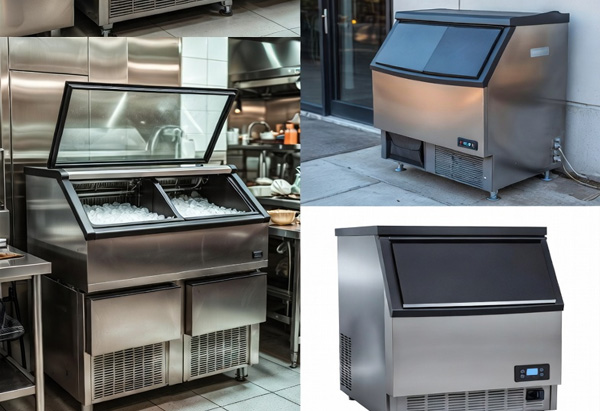
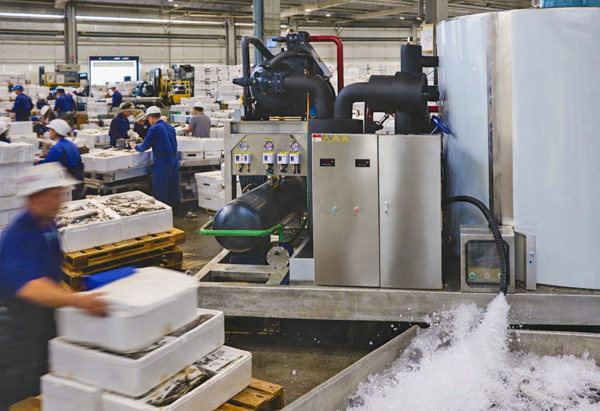
South Carolina commercial ice machine buyers can compare prices more effectively by defining the business format first. A restaurant kitchen, hotel dispenser, mobile food operation and wholesale production line do not share one equipment specification. Start with the intended use, then establish the capacity, handling and installation arrangements required to support it.
Separate retail service from production for distribution
The South Carolina Department of Agriculture maintains the state's retail food safety resources. These include planning information for fixed premises, mobile operations and shared-use arrangements. Use the appropriate program contacts to identify the requirements for your operation; do not assume a retail kitchen permit covers a different wholesale activity.
For ice used in drinks or collected by restaurant staff, begin with the commercial machine guide. Businesses producing ice for a larger process should instead examine industrial ice systems and define product handling, storage and delivery to the process. The output unit alone cannot establish whether the system fits.
Our North Charleston guide considers preparation and mobile-service collection. The Columbia equipment page provides another local starting point. Use each premises' actual requirements rather than copying one location's specification across the state.
Build capacity around the busiest service window
Measure opening preparation, customer demand and later replenishment separately. Include everyone drawing from the same bin. A hotel meeting function and breakfast operation can compete for inventory even when the total daily production appears sufficient.
The hotel equipment guide and storage sizing answer help distinguish guest dispensing, staff collection and reserve. Ask providers to explain recovery after concentrated withdrawals, using expected room and supply-water conditions for the selected model.
Compare ice formats against the menu or process. Do not order a different format on the assumption it will work with an existing dispenser. Specify compatible equipment and arrange a practical demonstration where serving behavior matters.
Inspect each South Carolina installation separately
Record delivery access, service clearances, nearby heat-producing equipment and the proposed collection route. Qualified installers should verify water, treatment, drainage and electrical requirements. List alterations that must happen before delivery and identify who controls the work schedule.
For multiple branches, a shared purchasing checklist is useful, but a shared site assumption is not. A replacement in Greenville may involve different connections and access from a project in Florence. Keep the findings attached to the correct address and equipment schedule.
Assign cleaning, treatment-component replacement and fault reporting to defined roles. Obtain model-specific instructions and keep service contacts accessible across shifts. Plan a suitable contingency for an interruption before the busiest service period rather than waiting for inventory to disappear.
Compare complete equipment and service prices
Request exact models, storage or dispensing components, delivery, connections, commissioning and training. For leases and rentals, compare included service, exclusions, term length and end-of-agreement responsibilities. Separate verified inclusions from optional work.
Use the buyer's guide checklist to organize competing proposals. Compare South Carolina ice machine prices with the business format, demand schedule and site survey supplied together, so providers quote an operating installation instead of an incomplete equipment allowance.