
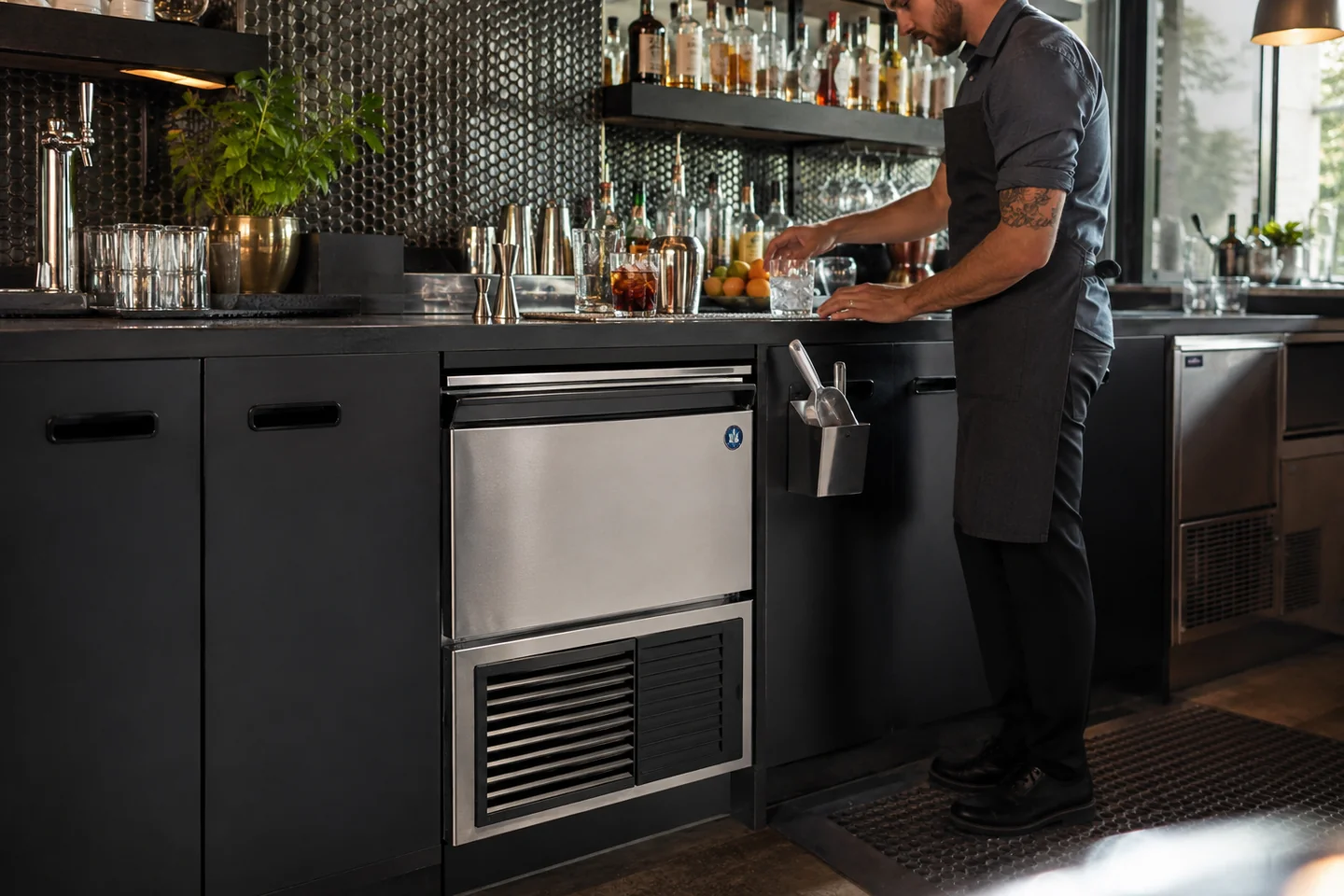
Vancouver businesses using a shared commercial kitchen should establish exactly how ice equipment is shared before buying another machine. The kitchen may have available production capacity without enough reserve for several operators collecting at similar times. Freezer Supply helps commercial buyers compare equipment and providers around the actual working agreement. Record the users, collection schedule and maintenance responsibilities before assuming that access to a kitchen includes a suitable, dependable ice supply.
Define what the Vancouver kitchen agreement includes
Record how an unexpected extra collection is requested and approved by the other users.
Clark County's food service establishment resources include public kitchens and catering among the operating formats described, while identifying separate applications for certain other activities. Confirm the appropriate requirements for the kitchen and each proposed operation. A shared equipment arrangement should not be mistaken for confirmation that every user's business is covered.
Ask who owns the machine, who may collect ice and whether any reserve is allocated to particular users. Record access hours and any restrictions in the operating agreement. Unclear expectations can create a shortage even when the equipment itself is working normally.
For a hypothetical Vancouver kitchen serving a daytime cafe and evening caterer, put preparation collections on one schedule before deciding whether additional equipment is necessary.
Compare shared reserve with separate equipment
The bin capacity guide helps distinguish available stock from production over time. Record the largest combined draw and the interval before another substantial collection. Ask providers whether their recommendation changes production, storage or the way users access the supply.
Review commercial machine configurations against each user's application. Beverage service and food display may require different ice characteristics. The cube and flake comparison supports that discussion, with exact compatibility established from equipment documents.
A separate installation adds utility connections and care duties. Price those alongside the benefit of independent stock rather than comparing only machine purchase prices.
Assign maintenance and building responsibilities
Agree who follows manufacturer-prescribed cleaning, replaces consumables, records work and reports faults. The sanitation planning guide helps organize those questions. Shared use needs clear ownership of routine tasks, not an assumption that another operator has completed them.
Qualified installers should check supply, treatment, drainage, electrical provision, heat rejection and manufacturer clearances at the proposed position. Include other users' fixtures and collection routes in the layout. Identify who authorizes property alterations and who confirms readiness before delivery.
Clarify ownership of installed components and what happens if an operator leaves the kitchen. A rental or shared-use arrangement should explain relocation and return obligations before equipment becomes integral to the fit-out.
Request Vancouver prices with the shared-use scope
Itemize equipment, compatible storage, treatment, transport, connections, removal and commissioning. Compare warranty exclusions, maintenance and rental inclusions. Ask how service charges are authorized and allocated when several businesses use the same machine.
Use the buyer's guide checklist and Washington equipment guide to review competing offers. Compare Vancouver ice machine prices with the kitchen agreement and collection schedule attached, giving providers a clear basis for explaining whether shared or separate equipment best fits the operation.


