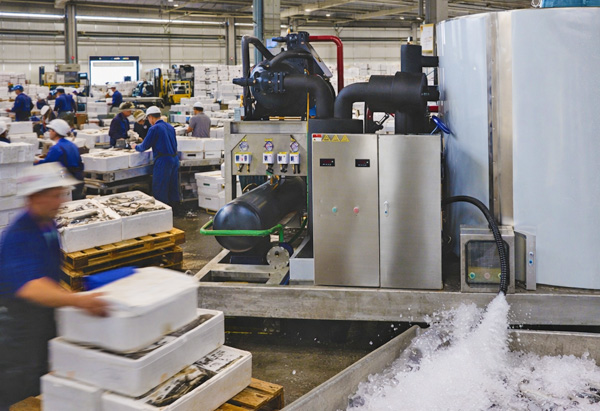
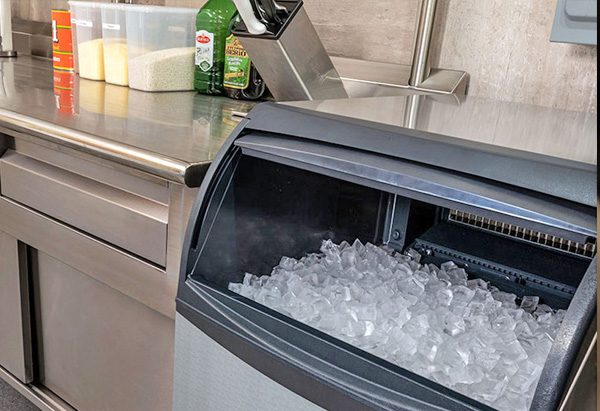
Milwaukee commercial ice machine planning should account for peak demand, winter service access, room heat and the cleaning work required throughout the year. Restaurants, breweries, hotels, healthcare facilities and food operations use ice differently even when their daily totals look similar. A productive buying process starts with the busiest hours, desired ice form, usable storage and the cost of an interruption.
Measure demand where Milwaukee staff use the ice
List beverage stations, bars, kitchens, guest floors, patient areas and product displays separately. Observe the lowest bin level during a representative rush and note the hours available for recovery. The commercial ice sizing guide explains why daily output and bin capacity solve different parts of the requirement. When several departments depend on a central machine, compare the labor of moving ice with distributed production. A second smaller unit can also preserve limited service when one machine needs cleaning or repair.
Choose an ice form and condenser configuration
Cube ice supports many beverage programs, nugget ice works in compatible dispensers, and flake ice settles around displayed food or products. Review the main commercial ice machine types before choosing an undercounter unit, modular head and bin, or dispenser. Air-cooled equipment needs clean airflow and releases heat indoors. A remote condenser can improve a confined room but adds refrigerant piping, outdoor placement and cold-weather service considerations. Water-cooled machines change water consumption and should be compared through the condenser cost guide.
Use Milwaukee water reporting as filtration context
Milwaukee Water Works publishes current annual and water-quality reports. A supplier should pair public information with conditions at the building and manufacturer instructions rather than prescribe one filter for every address. Require the cartridge specification, expected change interval and annual parts and labor price. Survey voltage, water shutoff, drain elevation, backflow needs, delivery turns, ventilation and panel clearance. Keep the evaporator, bin and removable water components accessible for prescribed sanitation.
Compare complete Milwaukee machine prices
Every quote should identify equipment and bin models, rating conditions, projected output in the proposed room, ice shape, condenser, the specified filter, delivery charges, trade work, functional startup, labor warranty and planned service. Identify the Milwaukee-area repair firm, ask which routine components it keeps nearby and define after-hours coverage in writing. Use the ice machine quote checklist to reveal exclusions, then send one consistent scope through the Milwaukee commercial ice machine pricing form. During commissioning, record air and water temperatures, harvest operation and recovery after a typical draw. File that evidence with equipment identification, cartridge intervals and the urgent-service contact so later performance changes can be investigated instead of guessed.
Schedule cleaning around Milwaukee operations
Ice equipment sanitation cannot depend on a vague instruction to clean “as needed.” Ask the supplier to demonstrate the selected model’s disassembly, approved chemicals, rinsing and return-to-service procedure. Assign routine bin and dispenser care separately from deeper water-system cleaning, and schedule both around operating hours. The cleaning-frequency answer provides planning context, while manufacturer instructions and applicable requirements govern the actual work. Log scale, biofilm, unusual taste, slow harvest and completed service by machine. A consistent record helps management determine whether conditions, filtration or procedure need to change.