What size of restaurant ice machine do I need?
The size of the restaurant ice machine you need depends on factors such as your expected ice usage, peak demand, available space, and budget. To determine the appropriate size, estimate your daily ice requirements and consider the busiest periods when ice demand will be highest. Look for an ice machine with a production capacity that meets or exceeds your estimated usage, and ensure it has sufficient storage capacity to meet peak demand without running out of ice. Consider the available space in your restaurant and choose a size that fits comfortably. Additionally, take your budget into account and select a machine that offers the required capacity within your financial limits. Consulting with an ice machine supplier or equipment specialist can provide expert guidance tailored to your specific needs.
Last Updated: July 27, 2025
Compare Ice MachinesCommercial ice system variables that influence cost
Operators commonly re-evaluate ice capacity after peak season strain. Production stability depends on more than just published capacity ratings. Ice machines operating continuously require stronger durability standards.
Energy consumption plays a measurable role in five-year operating projections. Structured evaluation helps facilities avoid short-term fixes.
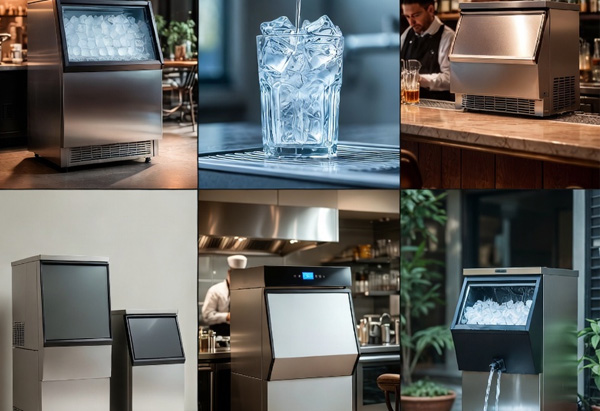
Expert Answer: Determining the appropriate capacity planning of the restaurant ice machine requires consideration of several factors to meet your specific needs. Here are some guidelines to help you make an informed decision:
1. Ice usage: Estimate the amount of ice your restaurant will require on a daily basis. This can be determined by considering factors such as the number of customers, types of drinks served, and any other applications that require ice, such as salad bars or food displays.
2. Peak demand: Identify the busiest periods in your restaurant when the demand for ice will be at its highest. Its important to ensure that the ice machine can handle the increased demand during these peak times without running out of ice.
3. Ice production capacity: Look for the ice production capacity specified by the manufacturer. This is typically measured in pounds or kilograms per 24 hours and indicates the maximum amount of ice the machine can produce within a day. Consider a machine with a production capacity that meets or exceeds your estimated ice usage, including the additional demand during peak periods.
4. Ice storage capacity: Evaluate the storage capacity of the ice machine. This refers to the amount of ice the machine can store at a given time. Having sufficient storage capacity is crucial to meet the demand during peak periods and minimize the risk of running out of ice. Ensure that the storage capacity aligns with your estimated ice usage.
5. Space and budget: Consider the available space in your restaurant for the ice machine. Measure the dimensions and choose a size that fits comfortably in the designated area while allowing sufficient airflow for proper operation. Additionally, take your budget into account and select an ice machine that offers the required capacity within your financial limits.
Consulting with a reputable ice machine supplier or equipment specialist is advisable.